Sertus Smoke Control Damper (SLD) sets new benchmark for BS 9991:2024 smoke control compliance
:format:(webp)/f/79904/3000x4500/6474044145/sk.jpg)
:format:(webp)/f/79904/1920x1280/efd19b3a53/snd-r-1.png)
Updated certification positions Sertus smoke control damper among the few solutions able to meet the full performance intent of the latest residential fire safety standard.
Sertus has announced updated certification for its SLD smoke control damper, aligning the product with the performance expectations set out in the newly revised BS 9991:2024 standard.
When the changes to BS 9991:2024 were introduced, Sertus proactively undertook additional fire and performance testing of the existing SLD product – without making any design modifications. The result: the SLD successfully met the enhanced performance requirements demanded by the updated standard.
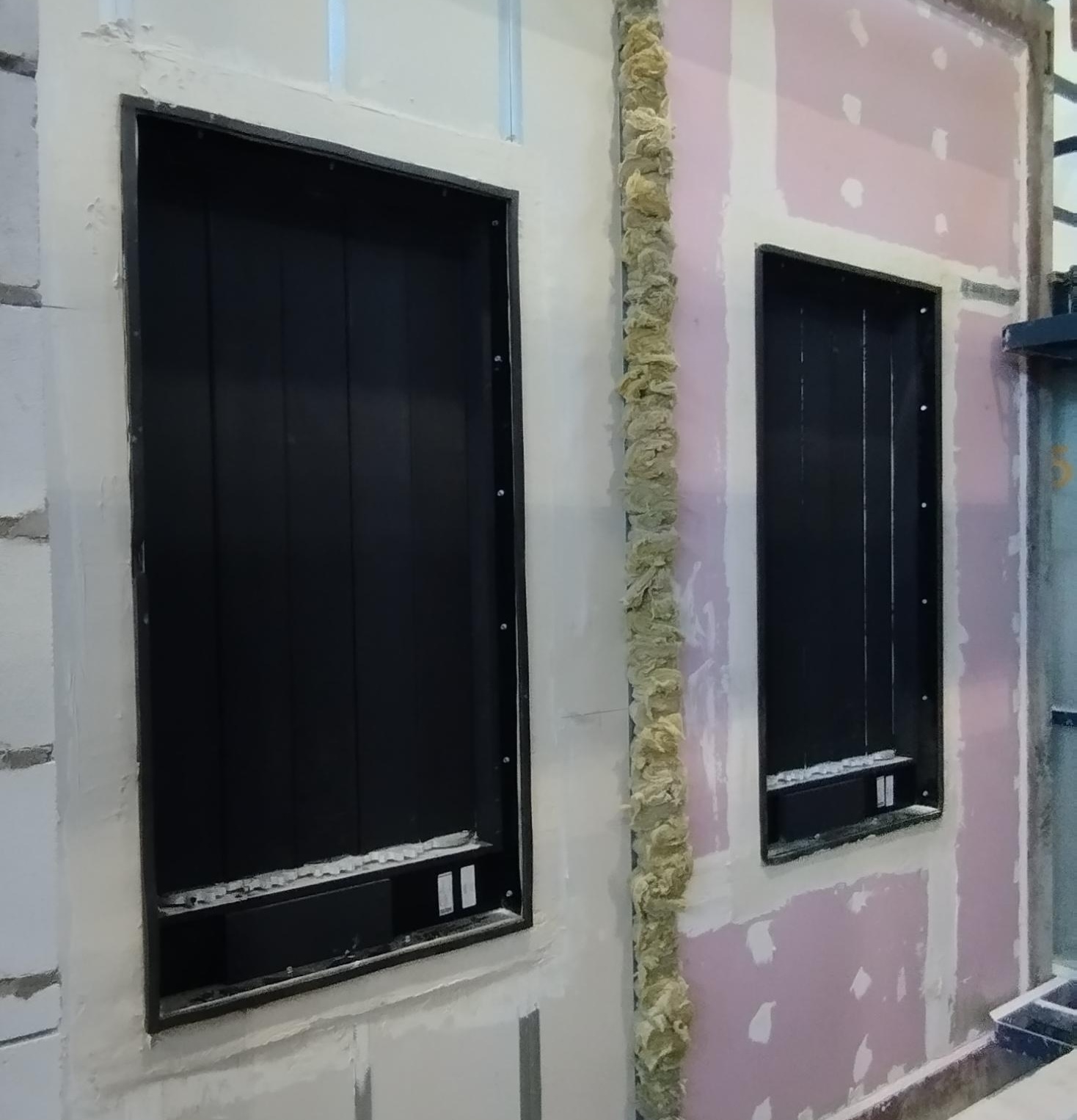 This is critical for both new and existing projects. For customers, consultants and contractors who have already specified or installed the Sertus SLD, this updated certification provides reassurance that those installations remain compliant with BS 9991:2024. In short, no redesign, no replacement, no uncertainty – just verified performance aligned with current guidance.
What’s changed and why it matters
BS 9991:2024 reinforces and clarifies the requirements set out in Section F.5.5, removing ambiguity around how smoke control dampers should be tested, classified and specified within a system.
While the principles have always existed, the updated standard is more explicit, closing potential loopholes and reducing the risk of non-compliant interpretations.
Dampers are no longer treated as simple components – they are now expected to perform to the same standard as the fire-resisting elements they sit within, including compartment walls and smoke control ductwork.
To meet the intent of the standard, dampers must now demonstrate:
Fire resistance classification (e.g. EI120)
Bidirectional fire performance (i<–>o)
Smoke leakage (S1000)
Operational reliability (C10,000 cycles)
All verified against recognised European standards including BS EN 12101-8, BS EN 1366-10 and EN 13501-4.
Fire resistance – What it actually means
Fire resistance is not a vague “fire rated” label – it is a measured, classified performance.
In line with guidance from the Association for Specialist Fire Protection (ASFP) and industry bodies such as ADB (Approved Document B), fire resistance is defined using three key criteria:
E (Integrity): Prevents flames and hot gases passing through
I (Insulation): Limits temperature rise on the non-fire side
(Optional) S (Smoke leakage): Controls smoke passing through
Meeting all three of these criteria is critical for any passive fire safety product – including smoke control dampers.
BS 9991 reinforces the importance of maintaining the fire performance of the compartmentation into which products are installed. Dampers must not weaken this barrier – they must preserve it.
In reality, fire is an unpredictable, dynamic event. While modelling plays a role in system design, relying solely on theoretical scenarios to justify reduced performance introduces risk. The updated BS 9991 guidance helps remove this ambiguity, making expectations around product classification clearer and more robust.
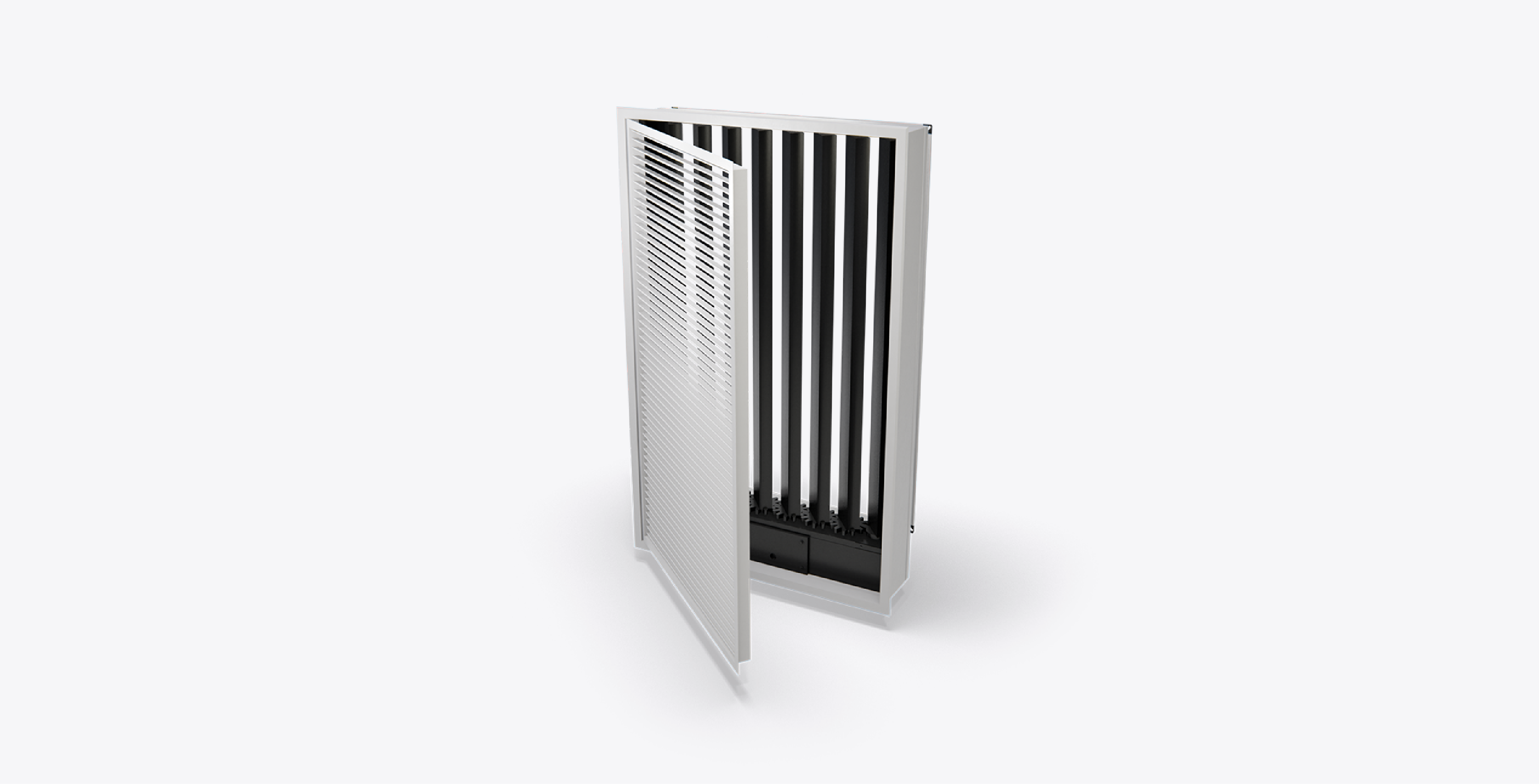
The Sertus SLD – Proven against the toughest criteria
The updated certification confirms that the Sertus SLD damper achieves:
EI120 fire resistance
S1000 low leakage classification
C10,000 operational reliability
Bidirectional fire exposure (i<–>o)
These are the performance benchmarks specifiers and regulators should now demand as standard.
Steve Knight, Technical Director at Sertus, said:
The key change is that dampers must now demonstrate performance across several classifications, including fire resistance, leakage and operational durability.
Achieving EI120, S1000 and C10,000 - while also proving performance from both fire directions – is technically demanding. Our updated certification confirms that the SLD has been tested and classified to meet these expectations.
A clear message to the industry: Know what to look for
It’s important to recognise that not all dampers on the market are currently able to demonstrate compliance with these requirements.
If you are reviewing products for Gateway submissions, technical documentation or compliance checks, these are the classifications you should be actively looking for:
EI classification (e.g. EI120) – not just “fire rated”
Smoke leakage (minimum S1000)
Reliability classification (C10,000 cycles)
Bidirectional fire testing (i<–>o)
Tested to BS EN 12101-8 and BS EN 1366-10
If a manufacturer cannot clearly demonstrate all of the above with test evidence and classification reports, then the product is unlikely to meet the intent of BS 9991:2024.
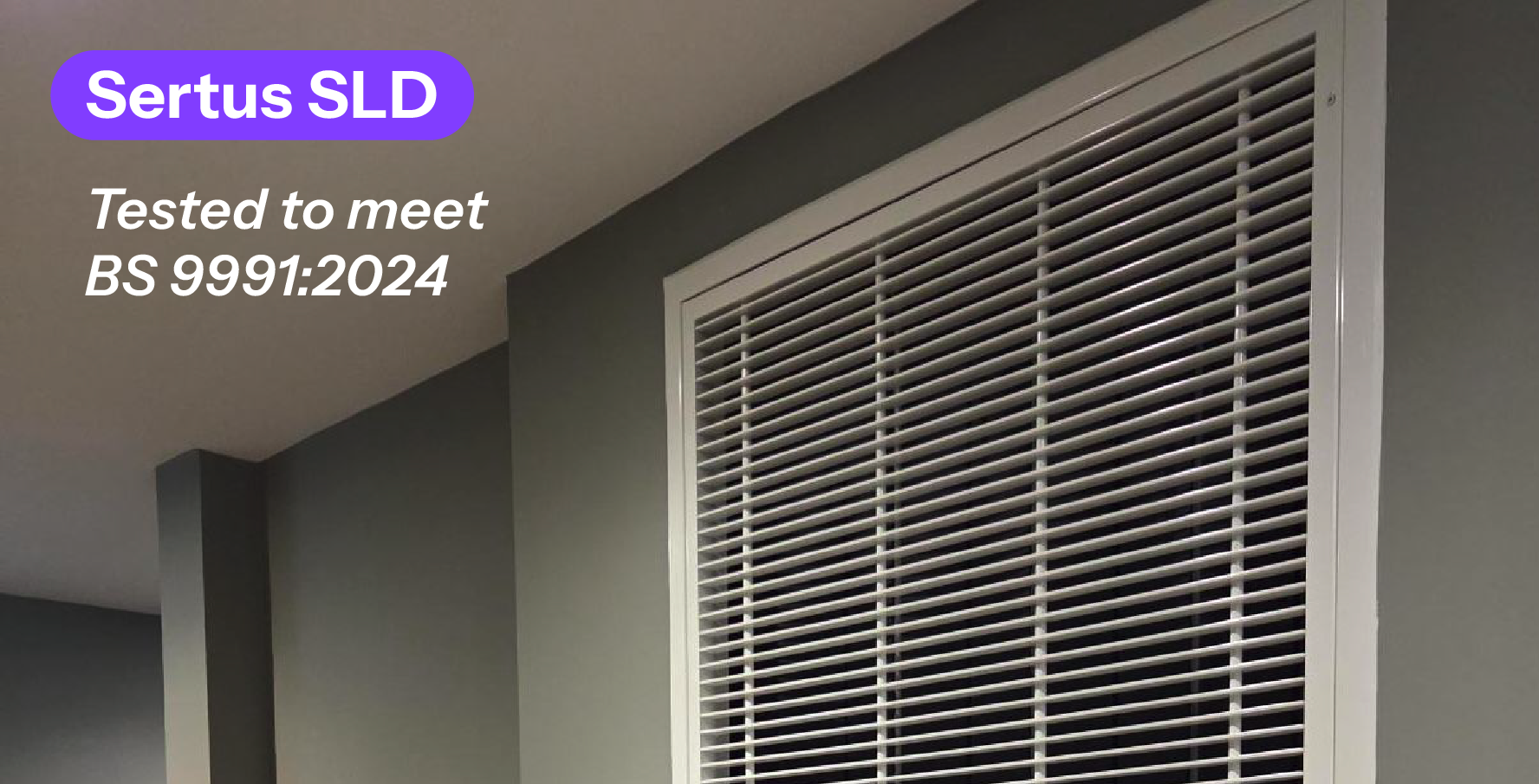
Confidence for Specifiers, Contractors and Building Owners
Richard White, Commercial Director at Sertus, said:
The update to BS 9991 is a significant moment for the smoke control sector. For the first time the standard clearly sets out how smoke control dampers should perform within a system. Our updated certification shows that the Sertus SLD fully aligns with these requirements, giving consultants and contractors confidence they are specifying a solution that meets the intent of the new guidance.
For installers and contractors, the benefit is straightforward: a clearly tested, fully classified solution that simplifies compliance.
For building owners and asset managers, it delivers something even more important – confidence that both new and existing installations are aligned with current fire safety expectations.
About Sertus
Sertus is a UK-based manufacturer of smoke ventilation products, dedicated to safeguarding lives and property through unequivocally compliant, expertly engineered, and reliably manufactured solutions. Driven by our vision to be the UK’s manufacturer of choice for smoke ventilation, we’re setting the standard – leading, not following – with products that combine innovation, performance, and quality. From early-stage design through to post-install support, we partner with contractors, architects, consultants, and developers to deliver smoke ventilation that works – every time.
At Sertus, Make It Simple isn’t just a tagline – it’s our promise. We simplify the complex world of fire safety through intelligent design, clear guidance, and comprehensive support, helping our customers achieve compliant, high-performance buildings with confidence.
Learn more at sertus.uk. For media enquiries, contact hello@sertus.uk or call 01483 269999.
:format:(webp)/f/79904/1200x675/3e688ca5d6/1737034937057.jpeg)
:format:(webp)/f/79904/1500x764/9d04ae0d44/20250703_140237.jpg)
:format:(webp)/f/79904/6000x3376/a7479fd92d/nejc-soklic-xxp9rthtqcc-unsplash.jpg)
:format:(webp)/f/79904/934x1040/f7f0080362/mask-group-7.jpg)


